

For hemorrhoids, natural remedies and medicated treatments can both help ease discomfort, but they work in different ways. Home measures such as warm baths, dietary fiber, and adequate fluids help soften stools and reduce straining, while medicated creams and suppositories can provide temporary relief from itching, swelling, and pain. The right approach depends on your symptoms, how long they last, and whether you need medical evaluation.
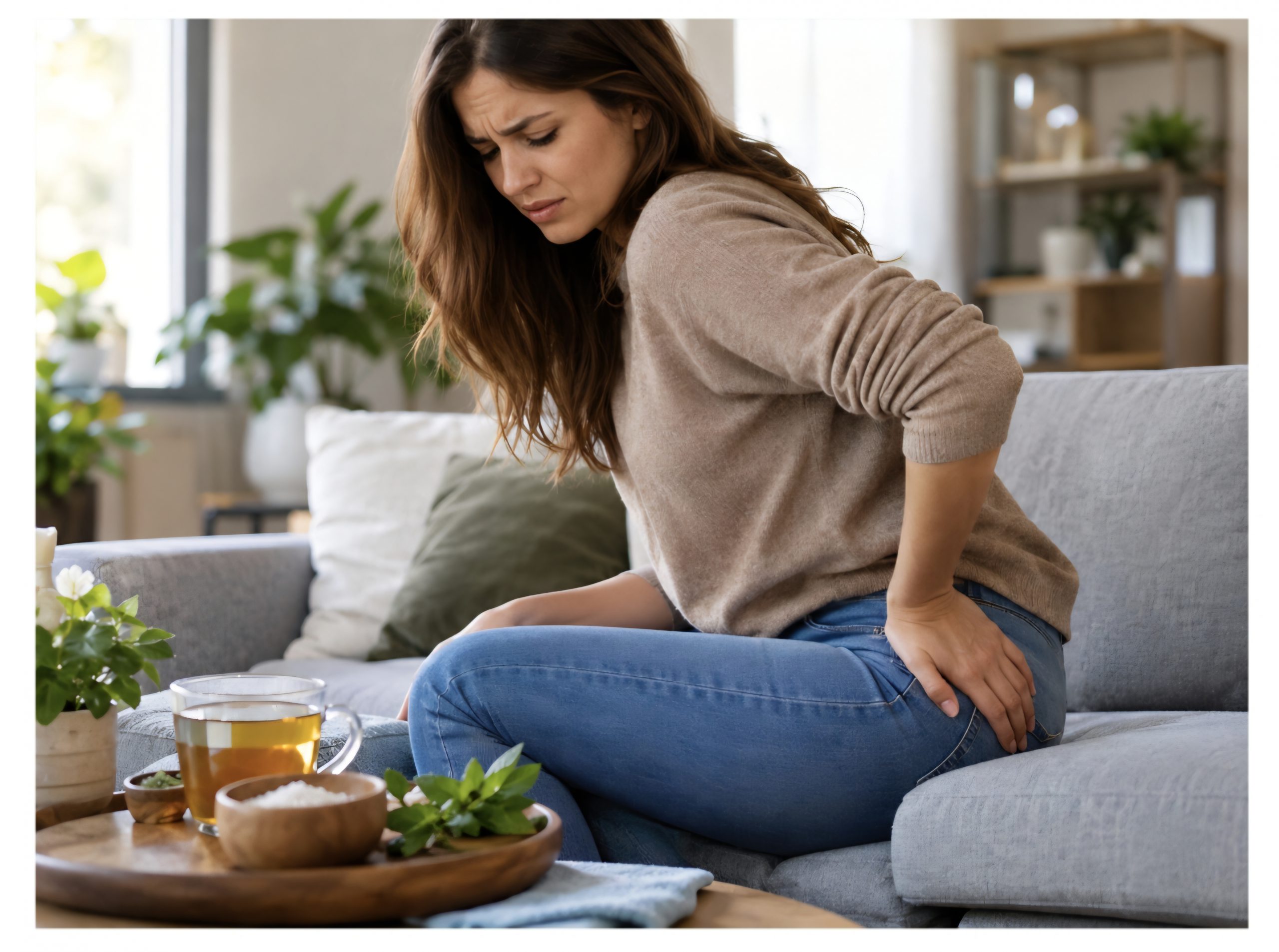
What Are Hemorrhoids, and Why Do They Cause Discomfort?
Hemorrhoids, also called piles, are swollen veins in or around the anus and lower rectum. They may develop internally or externally, causing symptoms such as itching, tenderness, swelling, discomfort during bowel movements, or bright red bleeding.
Constipation, repeated straining, prolonged sitting on the toilet, and a low-fiber diet can contribute to hemorrhoid symptoms. Although mild cases often improve with home care, persistent bleeding or severe pain should not automatically be attributed to hemorrhoids.
What Are Natural Hemorrhoid Remedies?
A natural relief for hemorrhoids, home-based remedies focus mainly on reducing irritation, making bowel movements easier, and preventing additional pressure on swollen veins. They are often a practical starting point for mild symptoms.
Warm Baths and Gentle Cleaning
Sitting in plain, comfortably warm water for 10–15 minutes can help soothe itching and discomfort. This can be particularly useful after a bowel movement or when the area feels irritated.
After bathing, gently pat the area dry rather than rubbing it. Avoid fragranced soaps, harsh wipes, and other products that may irritate sensitive skin.
Fiber, Water, and Better Bathroom Habits
Eating more fiber can help produce softer stools that pass with less straining. Oats, beans, lentils, vegetables, pears, and whole grains are useful options. Increase fiber gradually to reduce gas and bloating, and drink enough fluids to support normal bowel movements.
Bathroom habits matter, too. Respond to the urge to pass stool, avoid prolonged sitting on the toilet, and do not force a bowel movement. These changes address common factors that aggravate hemorrhoids rather than simply covering up symptoms.
Natural Oils and Other Topical Products
Some people explore plant-based oils, soothing balms, or other topical products for local comfort. However, natural ingredients are not automatically safe or clinically proven to treat hemorrhoids, and evidence varies between formulations.
If you are researching options marketed as natural relief for hemorrhoids, review the ingredients, directions, and available evidence before use. Avoid inserting products intended only for external application, and discontinue use if burning, redness, or irritation develops.
How Do Medicated Hemorrhoid Treatments Work?
Medicated treatments are designed to target specific symptoms. Depending on the ingredients, an over-the-counter cream, ointment, suppository, or medicated pad may help reduce itching, temporarily numb pain, or soothe irritation.
Hydrocortisone Creams
Hydrocortisone is a corticosteroid that can reduce inflammation and itching. It may be helpful during a short flare-up, but it does not eliminate the underlying tendency to develop hemorrhoids.
Use it according to the product instructions or a healthcare professional’s advice. Hemorrhoid preparations containing hydrocortisone generally should not be used for more than seven days without medical guidance because prolonged use can thin the skin and increase irritation.
Local Anesthetics and Soothing Preparations
Some hemorrhoid products contain local anesthetics, such as lidocaine, which temporarily reduce pain or discomfort. Other formulations contain ingredients intended to protect or soothe irritated skin.
These treatments can make daily activities more comfortable while symptoms settle. However, they do not necessarily shrink the hemorrhoid permanently, correct constipation, or rule out another cause of rectal bleeding.
Natural Remedies vs. Medicated Treatments: Key Differences
The main difference is their purpose. Home remedies focus on bowel habits, stool consistency, and gentle symptom relief, while medicines generally provide more targeted, short-term relief from particular symptoms.
Natural and home remedies are often suitable for everyday prevention and mild discomfort. Their benefits depend on consistent habits, and topical natural products may have limited evidence for treating hemorrhoids directly.
Medicated treatments can be useful when itching, inflammation, or pain makes normal activities uncomfortable. However, the ingredients determine their effects and limitations, and some products should only be used briefly.
Neither approach guarantees that hemorrhoids will disappear. Combining appropriate home care with a suitable medicine may help, but persistent or recurring symptoms deserve professional assessment rather than repeated self-treatment.
Which Approach Should You Consider?
For mild symptoms associated with constipation or straining, start by improving stool consistency, drinking adequate fluids, avoiding prolonged toilet sitting, and taking warm baths. These steps can help regardless of whether you also use a topical treatment.
If itching or pain continues to interfere with sleep, sitting, or daily activities, ask a pharmacist or healthcare professional about a suitable medication. Check the instructions carefully, particularly if you are pregnant, take other medicines, or have an existing health condition.
Seek medical advice if symptoms have not improved after about a week of home treatment, if hemorrhoids repeatedly return, or if you notice rectal bleeding. Seek urgent care for heavy or continuous bleeding, severe anal pain, black or dark-red stools, or bleeding accompanied by fever or significant abdominal pain.
What Does Medical Guidance Say?
The National Institute of Diabetes and Digestive and Kidney Diseases (NIDDK) explains that hemorrhoid care can include dietary changes, fiber supplements, appropriate fluids, improved toilet habits, and medicines for mild symptoms. Some cases require medical procedures when conservative treatment does not provide enough relief.
This guidance highlights an important distinction: improving bowel habits helps address common triggers, while medication can help manage symptoms. Neither should replace an examination when symptoms suggest a more serious problem.
Frequently Asked Questions
Q. Are natural hemorrhoid remedies as effective as medicated treatments?
A. It depends on the remedy and the symptom. Fiber, fluids, and warm baths can help with bowel movements and discomfort, while medications may provide more targeted relief from itching or pain. Evidence for natural topical products varies.
Q. How long does it take for hemorrhoids to improve?
A. Mild symptoms may improve within several days with appropriate home care. If symptoms persist after a week, worsen, or include bleeding, seek medical advice.
Q. Can I use natural remedies and hemorrhoid cream together?
A. Some home measures, such as warm baths and dietary changes, can generally accompany appropriate medication. Check topical ingredients before combining products, avoid applying irritating substances, and ask a pharmacist if you are unsure about possible interactions or skin reactions.
Q. When should I see a doctor for hemorrhoids?
A. Arrange a medical assessment for rectal bleeding, persistent symptoms, worsening discomfort, or repeated flare-ups. Heavy bleeding, severe pain, black stools, or bleeding with fever or abdominal pain warrants urgent medical attention.
Also read
Constipation – Multifactorial Problem Needing Multifaceted Health solutions