

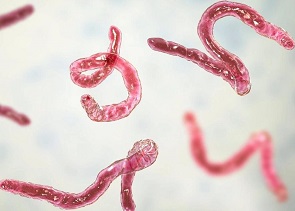
Intestinal worms are parasites that can infect our gut through contaminated water/food, undercooked meats, or through our skin. While protozoal intestinal parasites like Entamoeba and Giardia cause acute short-lived infection and symptoms of diarrhea/dysentery, the intestinal worms (helminths) live inside the intestine and feed off the human body. Tapeworms and hookworms are among those most commonly recognized, but there are more than one kind.
Intestinal worms are tiny parasitic organisms that can cause many symptoms in the body, similar to other gut disorders. An accurate diagnosis is crucial for avoiding complications; doctors will use antiparasitic medication or another treatment based on the kind of attacking pathogen. Although this sounds scary at first glance, most people respond well if they get treated promptly after discovery.
Symptoms of Intestinal Parasitic Worms
Some common signs and symptoms of intestinal worms include:
- abdominal discomfort
- abdominal pain
- loss of appetite
- nausea and vomiting
- gas or bloating
- fatigue
- weight loss
- indigestion or stomach upset
Passing pieces of worms in the stool has been occasionally reported by those infected. Also, sometimes the piece can get stuck inside the intestines, causing blockages and impacting normal bowel movement. So, whenever such symptoms are present, it is advisable to get tested immediately and consult a doctor, who may advise stool and blood tests. A parasite cleanse kit is an effective way to get rid of these pesky organisms.
Effects of Intestinal worms
Intestinal worms are common health problems in humans. An extensive list can affect you, but below, we highlight some key ones to know about.
1. Tapeworm
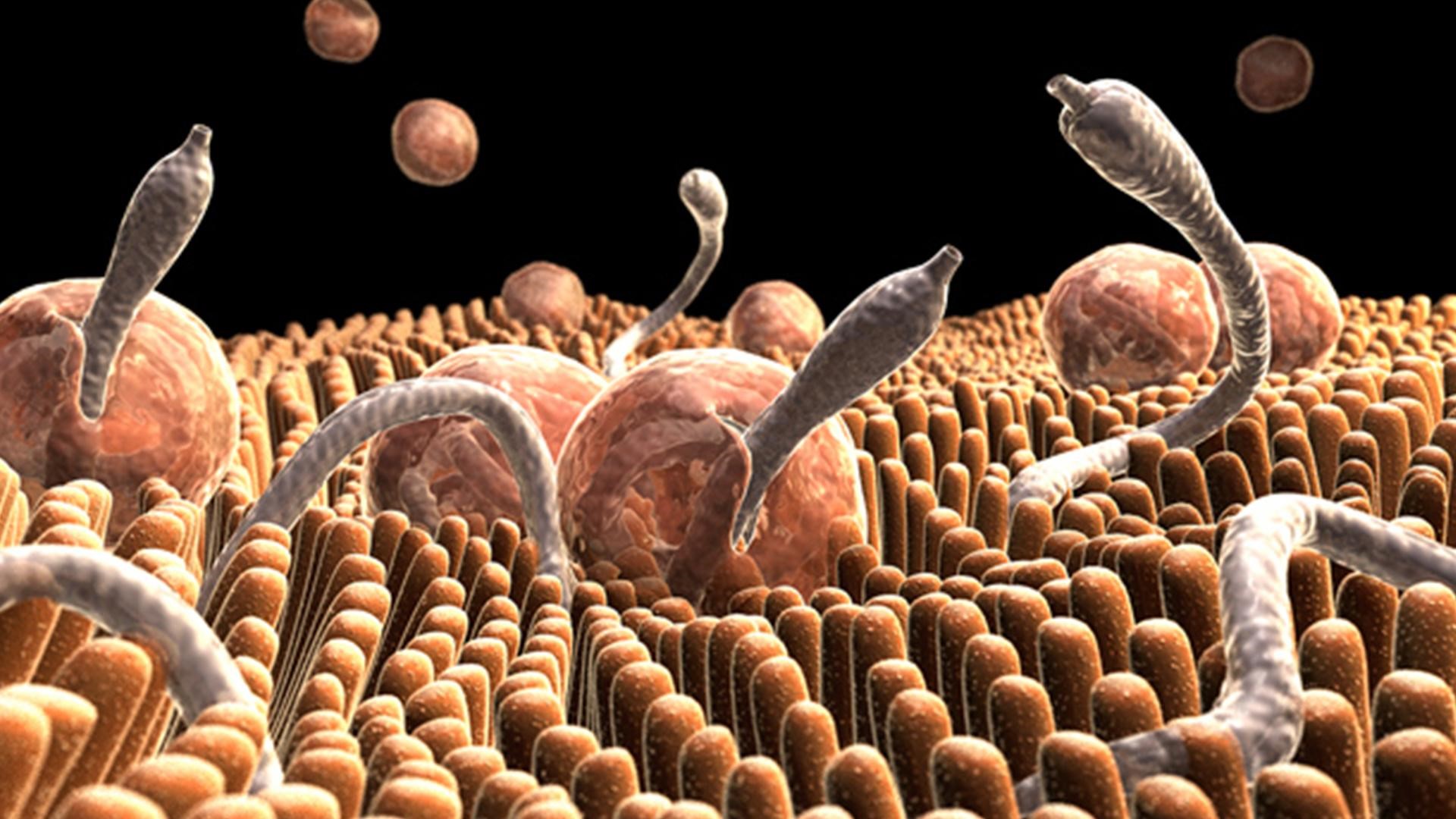
The flatworm known as a tapeworm can live inside you, attached to your intestinal wall. The vast majority of people with this type do not experience any symptoms. However, for those who do, there may be very mild ones like bloating and gas predominantly seen during digestion time which happens three hours after eating something containing the larvae – such as undercooked pork or beef.
Tapeworms are flat and long in shape, and they usually measure between 3-10 meters long. The Centers for Disease Control (CDC) estimates fewer than 1 thousand new cases per year.
2. Hookworm
Hookworms are common because they can easily enter your body from unsanitary soil through the skin. One end of the hook-shaped worm’s body tapers off as a needle or sharp point, making it easy for these pests to make their way into the gut through the foot skin when stepped on outside. The CDC states that according to estimates, 576 -740 million people have been diagnosed with hookworm globally.
When you’re infected with hookworms, the eggs hatch and start to grow in your stomach or intestines. Most of these bugs don’t cause any symptoms unless someone has had them before. While some may experience typical gastrointestinal issues, others may never show any signs. Of course, this depends on how old one was when infected.
3. Fluke
Flukes are a type of flatworm that may be more common in animals, but they can also infect humans. Humans get them by eating or drinking freshwater plants such as watercress infected with fluke eggs. The adult worms enter the body, and once inside the host’s digestive system, they settle in the bile ducts and liver.
Not all flukes cause symptoms, but some can lead to inflammation in the bile ducts or blockages. People may experience this several months after initial consumption, thereby needing treatment for their condition before it becomes severe enough and to avoid developing other problems.
4. Pinworm
The diameter of a pinworm is about as wide and long as a staple pin. They are also called threadworms. They’re generally harmless but sometimes live in humans’ guts. The females have a unique ability to crawl out of the anus at night and lay eggs. This causes itching around the anus.
Moreover, they can spread through direct skin contact or by sharing an infected object with someone else who has them too.
5. Round Worm
Ascariasis or roundworm infection is acquired from contaminated food and water. The adult worm can be as long as a foot, however usually does not cause symptoms, except occasionally occurring in the stool.
Prevention
There are many ways to avoid getting intestinal worms, but basic sanitation should be at the top of your list. When you wash your hands before cooking or handling food, they must stay clean for as long as possible, so take time out from everyday life for these simple hygienic measures.
Intestinal worms enter the body through food, so it’s essential to follow the safe practices mentioned below:
Avoid eating undercooked or raw meat, but what about the other foods on your plate? First, make sure you cook them thoroughly. For example, when cooking pork, be aware that it can carry infectious diseases like trichinosis if not cooked right. So, make sure not only does its temperature reach 145°F (62 °C), which is required for safety purposes, but also take into account how long they’re boiled before eating as well. This will help avoid illness by ensuring there aren’t any germs lurking within those otherwise delicious-sounding ribs.
Wash, peel, and cook all raw vegetables and fruits.
In countries where sanitation is low, it’s essential to be mindful of the risks involved with unclean water and soil. Avoid swimming near or walking barefoot in areas possibly contaminated by feces.
You should also practice food safety:
- avoid raw fish and meat
- thoroughly cook meat to temperatures of at least 145°F (62.8°C) for whole cuts of meat and 160°F (71°C) for ground meat and poultry
- let cooked meat rest for 3 minutes before carving or consuming
- freeze fish or meat to –4°F (–20°C) for at least 24 hours
- wash, peel, or cook all raw fruits and vegetables
- wash or reheat any food that falls on the floor
Final Takeaway
Many worms can infect humans, but the infection is largely preventable through proper hygiene and cooking practices.
Yet, those who suspect their symptoms come from intestinal worms should immediately see a doctor to diagnose and treat them with an effective parasite cleanse kit. Most people respond well to treatments; however, some may require medication taken orally or injected.
Dr. Mohsin Clark is a man of many styles and has gained knowledge and skill over many different techniques and contexts of writing that makes him a versatile one in the niche. When not writing, he is found meditating in a quiet place or roaming thoughts looking for new ideas to capture and new horizons to explore and explain them with the beauty of words.
Parasite Cleanse Kit is a systemic cleanse that supports the body’s defenses with natural compounds that discourage the proliferation of harmful organisms. Because microorganisms can be transmitted by animals and unclean food and water sources, the Parasite Cleanse is ideal for people traveling abroad.
Also read:
Water-Borne Diseases, Contaminated Food and Gastrointestinal Infections
Constipation – Multifactorial Problem Needing Multifaceted Health solutions