

A nursing home problem may first appear as a missing medication entry, a resident who suddenly stops speaking during visits, or repeated unexplained hygiene changes attributed to aging. Older adults can also have legitimate medical reasons for bruising, confusion, weight changes, or reduced mobility.
The key question concerns whether an isolated clinical event matches the resident’s medical condition or forms part of a pattern suggesting nursing home neglect or intentional mistreatment. Federal elder-justice sources cite estimates that about 1 in 10 older adults living in the community experience some form of maltreatment each year, while only about 1 in 14 cases are estimated to reach authorities.
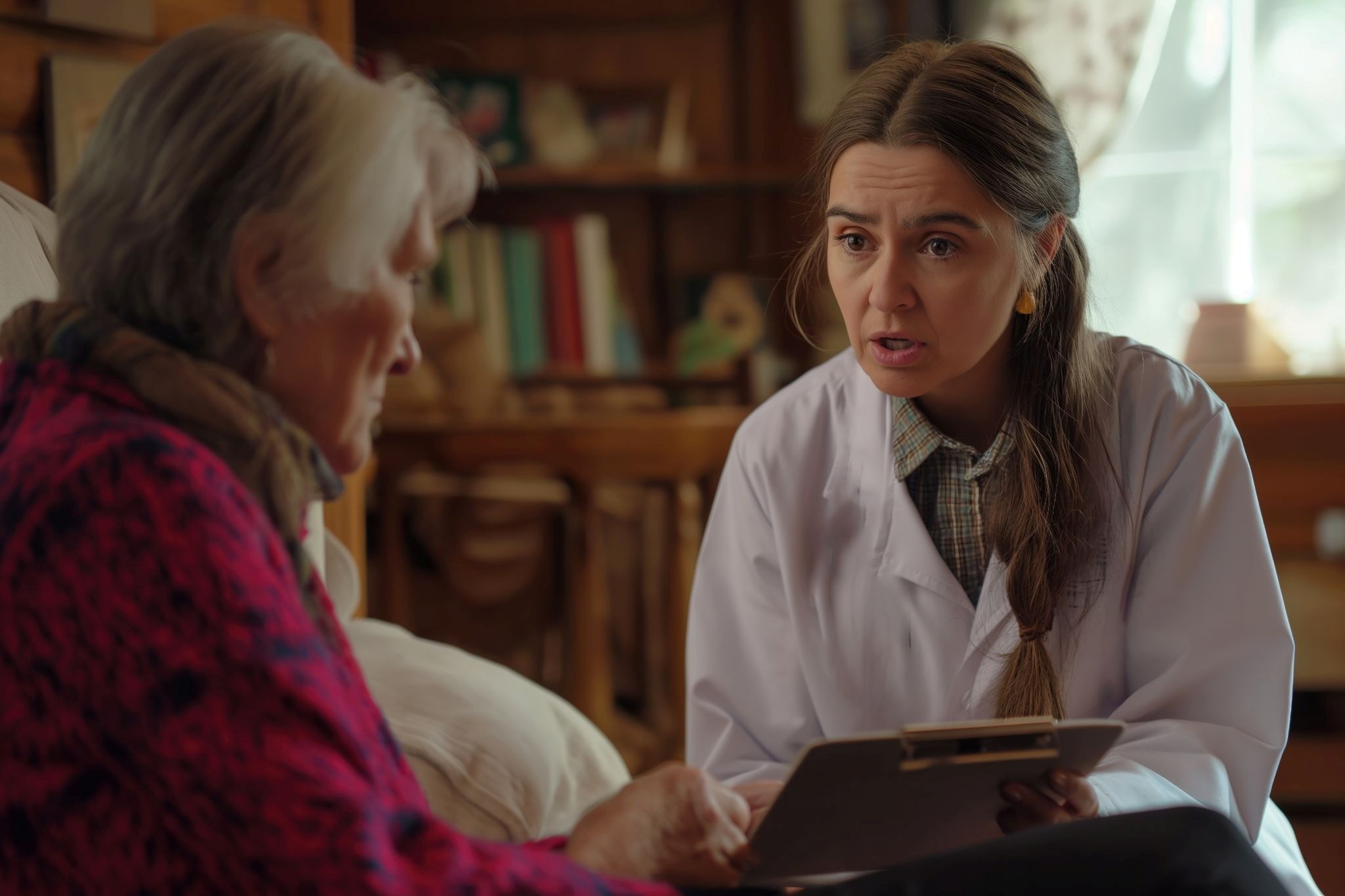
How Can Early Changes in a Nursing Home Resident Be Tracked?
Patterns carry more weight than assumptions. A single missed shower may have an innocent explanation, while repeated missed care accompanied by dehydration or pressure injuries warrants closer scrutiny.
Physical Changes That May Signal Nursing Home Abuse
Unexplained bruising, pressure injuries, dehydration, sudden weight loss, poor hygiene, or worsening medical conditions can signal nursing home neglect or abuse, particularly when those conditions remain unexplained or are repeatedly documented. The underlying circumstances matter.
A pressure injury may result from immobility, but repeated failures to reposition a resident, document skin checks, or follow an established care plan can change the significance of that injury. Federal elder-abuse guidance identifies unexplained bruising, dehydration, undernutrition, and pressure injuries as signs warranting further assessment.
Behavioral Changes That May Signal Nursing Home Neglect
A resident who becomes unusually withdrawn, fearful around particular staff, or reluctant to speak privately may provide an early behavioral signal. Cognitive impairment complicates interpretation but does not make those changes irrelevant. Documentation should record when the behavior began, who was present, and whether the change coincided with another incident.
What Records Can Reveal Early Signs of Nursing Home Abuse?
Records frequently reveal trouble before visible injuries do. Small discrepancies can expose larger failures. When nursing home abuse is suspected, a lawyer can examine whether documentation gaps, missed care, or inconsistent records point to a broader pattern of neglect or mistreatment.
A Duluth nursing home abuse lawyer at Slam Dunk Attorney, a Lead Counsel Verified firm with BBB A+ accreditation named among The National Trial Lawyers: Top 40 Under 40, may review medication administration records, incident reports, care plans, staffing records, and changes in physician orders together rather than treating each document as an isolated entry. Taken together, these records can provide a clearer picture of the resident’s care and whether documented concerns were appropriately addressed.
How Can Early Reporting Affect the Evidence?
Delay can make chronology harder to reconstruct. Staff schedules change, records become harder to obtain, and physical conditions can improve or deteriorate before an investigation begins.
Georgia law imposes mandatory reporting duties on specified professionals who have reasonable cause to believe a long-term-care resident has suffered caretaker abuse, neglect, or exploitation. For suspected abuse involving a long-term-care facility, reporting may also involve law enforcement and the Georgia Department of Community Health’s Healthcare Facility Regulation Division, which investigates complaints involving these facilities. Early reporting can also help preserve records showing what staff knew, when they knew it, what care was provided, and what actions followed.
According to Brian Wright, a Duluth nursing home abuse attorney, “Early reporting can preserve the facts before they become disputed. When a resident’s condition, staffing records, and care documentation are examined together, the timing of a report can make the difference between a clear evidentiary record and a case built around competing recollections.”
Does Bruising Always Mean Nursing Home Abuse?
Bruising alone does not establish nursing home abuse. Older adults may develop bruising because of medications, fragile skin, falls, mobility limitations, or medical conditions. The stronger inquiry examines whether the injury matches the documented event and whether staff followed required assessment, treatment, monitoring, and reporting procedures afterward.
Georgia guidance addresses abuse, neglect, and exploitation involving long-term-care residents and explains reporting duties that apply to suspected cases. The distinction helps prevent two errors: legitimate warning signs being dismissed because a facility provides an explanation, and adverse medical events being labeled as abuse without evidence connecting them to negligent or intentional conduct.

Can Staffing Patterns Explain Recurring Care Failures?
Understaffing doesn’t automatically establish abuse. Staffing shortages may help explain recurring care failures when facility staffing data correspond with missed services, delayed responses, or other documented care problems, but staffing levels alone do not establish abuse or neglect. CMS collects auditable Payroll-Based Journal (PBJ) data showing nursing-home staffing hours by facility and workday, allowing staffing patterns to be examined alongside other care records.
CMS’s Payroll-Based Journal datasets report paid staffing hours by facility and day, including nursing and other staff categories, allowing staffing patterns to be examined rather than inferred from a single employee’s account.
CMS’s current Payroll-Based Journal data include facility-level staffing hours by workday and staff category, with Q4 2025 identified as the latest available quarter on the CMS public dataset page. The 2024 CMS staffing rule established a 3.48-hour-per-resident-day total nurse staffing requirement, but federal law enacted in 2025 prohibits CMS from implementing, administering, or enforcing the specified staffing provisions until after September 30, 2034.
This Article is contributed by Slam Dunk Attorneys, Duluth, Georgia, USA. Families addressing suspected nursing home abuse in Duluth, GA, can contact Peter Jaraysi and his team at 2250 Satellite Blvd NW STE 120, GA 30097, on 12 minutes’ drive from North Metro, or call (678) 329-9750 for assistance with their legal concerns.