

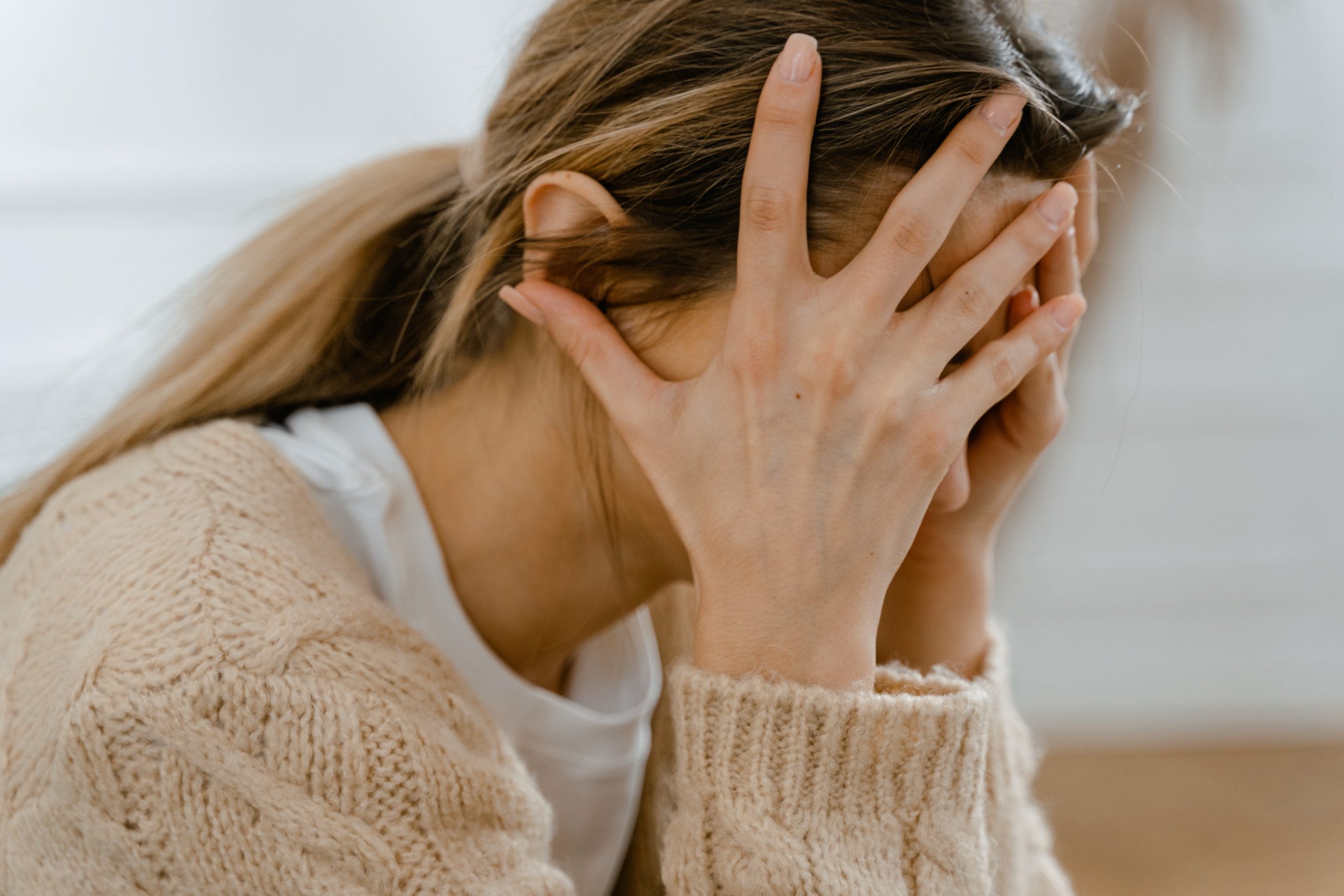
Anxiety can turn ordinary days into something overwhelming. Your mind races, your body stays tense, and relaxing becomes surprisingly difficult. You may worry about things that have not happened yet. Small problems can also spark feelings that seem hard to manage.
Naturally, you look for something that makes the discomfort fade. But not every coping strategy actually supports your well-being. Some habits bring temporary relief but create larger problems later.
In this article, we will walk you through some common unhealthy coping habits and practical alternatives worth trying.
Unhealthy Coping Habits That Can Worsen Anxiety
Here are three unhealthy coping habits that people often turn to for immediate relief:
Avoidance and Procrastination
Avoidance can feel comforting because it temporarily removes situations that trigger uncomfortable thoughts. However, repeatedly avoiding difficult situations can make anxiety stronger over time. Eventually, the situation might feel even more intimidating than before.
Procrastination can also become an unhealthy response to anxiety. You might delay important responsibilities because starting them feels emotionally overwhelming. Unfortunately, unfinished tasks often create additional pressure and make anxious thoughts harder to manage.
Excessive Substance Use
Many people turn to alcohol, cannabis, or other substances for emotional relief. Opioid misuse, specifically, is on the rise. In 2025, the prevalence of opioid misuse was more than four times higher among adults with moderate or severe anxiety symptoms. That’s according to the findings of the Substance Abuse and Mental Health Services Administration.
Initially, substances might make stressful situations seem easier to handle. But repeated use can increase dependence.
Watch for these behaviors, which might indicate unhealthy substance use:
- Using substances to escape anxious thoughts.
- Relying on substances in social situations.
- Increasing consumption for emotional relief.
- Struggling to relax without substances.
If substance use becomes difficult to control, it’s time to seek professional help. Depending on the substance and level of dependence, treatment may begin with medically supervised detox to manage withdrawal safely.
Legends Recovery Centers describes medical detox as the process in which the body safely clears substances while professionals manage withdrawal symptoms carefully.
Disordered Eating Patterns
Some people restrict food or binge to manage anxious feelings. Eating might provide temporary comfort or create a sense of control during stressful situations.
However, these patterns can affect physical health and emotional well-being. Skipping meals may leave you feeling tired, while repeated binge eating can create guilt and additional distress.
Some common unhealthy patterns include:
- Skipping meals because worrying makes eating difficult.
- Eating excessively to distract yourself from uncomfortable emotions.
- Following restrictive diets to feel more in control.
- Feeling guilty or ashamed after eating certain foods.
How to Deal With Anxiety Without Falling Into Unhealthy Coping Habits
As actress Reese Witherspoon said in a 2025 interview with People, “I want — [it] makes me wanna cry because it’s very real, and you’re not alone, and you can calm yourself down. There are tools to calm yourself down.”
Finding healthier ways to respond to anxiety can make a meaningful difference. Here are three practical ways you can deal with anxiety without falling into unhealthy coping habits:
Move Your Body
Physical activity can help regulate stress responses and support emotional well-being.
A meta-analysis in the British Journal of Sports Medicine found that exercise lowers anxiety with a standardized mean difference of -0.47. Movement lowers anxiety by releasing feel-good neurotransmitters like endorphins and serotonin that reduce stress hormones like cortisol.
Consider these simple options:
- Walking: Take a short walk outdoors during your lunch break.
- Cycling: Enjoy gentle cycling around your neighborhood or nearby park.
- Yoga: Practice gentle stretches and beginner-friendly movements.
Use Breathing Techniques to Calm Your Body
Anxiety can activate your body’s stress response and change your breathing patterns. You might notice faster breathing, chest tightness, or difficulty relaxing.
Consciously slowing your breathing can help you feel more settled during uncomfortable moments. It also gives your attention something simple and manageable to focus on.
A systematic review in Sage Journals looked at breathing exercises for anxiety and stress in adults. It included 19 studies on various techniques. Around 12 of those studies found significant reductions in anxiety, while 9 also reported improvements in stress levels.
Try this easy sequence:
- Inhale quietly for four counts
- Hold for seven counts.
- Exhale slowly for eight counts.
- Repeat several rounds if comfortable.
Try Cognitive Behavioral Therapy
Sometimes, anxiety continues because certain thinking patterns repeatedly influence your emotional responses. Cognitive behavioral therapy, commonly called CBT, addresses these connections.
Research supports CBT as an effective treatment for several anxiety disorders. A 2024 systematic review published in JAMA Psychiatry examined 65 studies involving 5,048 participants with generalized anxiety disorder. The researchers found that CBT was more effective than usual treatment.
CBT usually involves structured sessions with a qualified mental health professional. Your therapist helps identify thinking patterns that contribute to emotional distress.
Treatment may involve several practical exercises and discussions, such as:
- Recognizing automatic thoughts that increase anxiety.
- Identifying unrealistic fears and negative assumptions.
- Practicing healthier responses to uncomfortable situations.
FAQs
Why does anxiety make me want to escape uncomfortable situations?
Anxiety activates your body’s stress response, making uncomfortable situations feel threatening. Avoiding them may provide temporary relief. But gradually facing manageable challenges helps your brain recognize these situations as less threatening, build confidence, and reduce fear over time.
Can anxiety go away on its own?
Mild anxiety may improve as stressful situations resolve. However, persistent anxiety that interferes with daily responsibilities, relationships, sleep, or overall well-being may require professional support. Therapy or other appropriate treatments can help manage symptoms effectively and regain emotional balance.
How can I calm anxiety quickly without medication?
Try slow breathing, grounding exercises, gentle movement, or talking with someone you trust. Taking a short break, stepping outside, or listening to calming music may also help ease immediate distress. Experiment with different techniques to discover what works best for you.
Key Statistics
| Research area | Key statistic or finding |
| Opioid misuse and anxiety (2025) | Opioid misuse prevalence was more than 4 times higher among adults with moderate or severe anxiety symptoms. |
| Exercise and anxiety (2026) | Exercise reduced anxiety, with a standardized mean difference of -0.47. |
| Breathing exercises (2024) | Of 19 studies reviewed, 12 reported significant anxiety reductions, and 9 reported stress improvements. |
| Cognitive Behavioral Therapy (2024) | A review of 65 studies involving 5,048 participants found CBT more effective than usual treatment for generalized anxiety disorder. |
Managing anxiety does not mean eliminating every uncomfortable feeling from your life. It involves developing healthier responses instead of relying on temporary emotional escapes.
Start by recognizing your triggers and noticing your usual reactions. Then, gradually introduce movement, breathing exercises, and healthier thinking patterns.
Some days will feel easier than others, and that is completely normal. Be patient and kind with yourself as you practice these new habits. Over time, you will build healthier coping habits and handle life’s challenges with greater confidence.
Also read:
Depression and Anxiety – Causes, Signs and Holistic Treatment