

Just before an Accident
The half-second most people picture before an accident, a foot slamming the brake pedal, is only the last piece of the sequence. Before a driver moves a muscle, the brain has to notice a hazard, decide that it matters, and choose a response, and federal highway design standards put the total time to perceive, decide, and react at two and a half seconds for the vast majority of drivers.
A beer at a lake house, a car packed with kids, or a holiday mindset can stretch that number even further before a brake light ever comes on. What happens inside that gap decides who walks away, and later, how a claim gets argued after the accident.
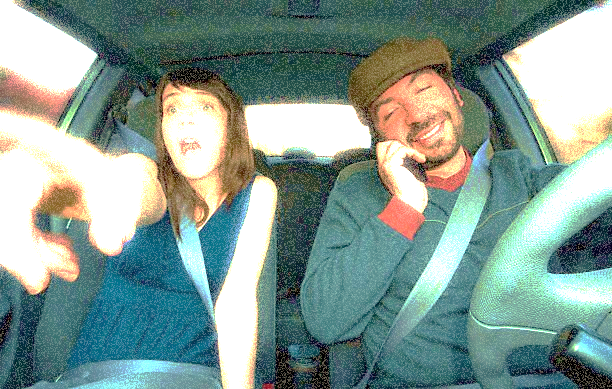
What The Brain Actually Does In That Half-Second
Reacting to danger on the road is not one motion. It is a chain: detect, recognize, decide, then act, and each link eats real time before a foot ever touches a pedal.
Detecting The Hazard
The eyes and brain have to first separate a real threat, a car drifting into a lane, from ordinary roadway clutter. Research cited by the Federal Highway Administration found an average reaction time of 0.66 seconds among drivers who expected to brake, with roughly 10% of drivers needing 1.5 seconds or longer.
Deciding And Reacting
Once a hazard registers, the brain still has to pick a response, brake, swerve, or both, before a muscle fires. That same research found that reaction time grows by about one full second when the driver never expected to brake at all. Surprise costs time nobody has.
Why The Textbook Number Rarely Holds Up On Real Roads
The 2.5-second standard used in highway design assumes an alert, sober, undistracted driver. Most drivers on a given afternoon do not meet that description.
CDC data shows 9 people are killed daily in the United States in accidents and crashes involving a reported distracted driver, with over 3,100 deaths in a single recent year. Distraction does not just remove eyes from the road. It also delays the recognition step long before a driver ever reaches for the brake.
Holiday Traffic Changes What The Brain Is Watching For
Warm weather and long weekends change more than traffic volume. They change what a driver’s brain treats as important in the first place.
Brent Stewart, a South Carolina personal injury lawyer at Stewart Law offices, operating in Rock Hill, Lexington, and Columbia, described the shift this way: “The weather breaks, everybody’s on vacation, everybody’s celebrating, and they’re just happy to be out. So people start thinking more about where they’re going and who they’re going with than what they’re actually doing. And that is never a good way to start driving.”
NHTSA reports that 2,719 people died in crashes during the Fourth of July holiday period between 2020 and 2024, with 38 percent of those drivers legally drunk. A distracted brain reacts to the wrong things first.
Other Drivers Are Part Of The Hazard Too
People celebrating a holiday are often sharing the road with drivers who have already had a few drinks, and watching for erratic or unusually slow driving matters as much as anything happening inside a driver’s own vehicle.
The recommendation when spotting a driver behaving strangely is simple: create distance rather than confront it. Road rage only adds another unpredictable variable to a situation that is already unstable, and removing a vehicle from a problem area beats trying to fix it through the window.
Boats, Lake Traffic, And The Blind Lane Change
Areas near lakes and beaches introduce a hazard many drivers never think to check for. Around lake areas, close to two out of every ten vehicles are pulling a boat trailer, which changes how quickly a car ahead can shift lanes or slow down.
A driver used to judging a normal car’s movement can misjudge the space a towed trailer needs, and that misjudgment often happens in the same fraction of a second that the brain is still processing everything else on a crowded summer road.
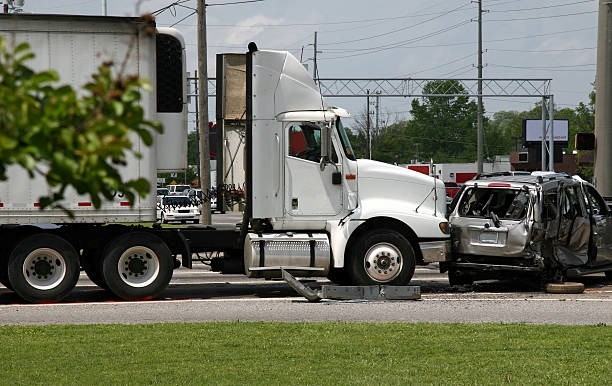
What This Half-Second Means For Fault And Evidence After A Crash
The perception-reaction window matters well beyond physics. It shapes how a crash gets reconstructed and argued once a claim is filed.
Modern vehicles increasingly capture data from that exact window. NHTSA has proposed an amended recording rule that would require future event data recorders to capture 20 seconds of pre-crash data at 10 samples per second, up from the current 5-second standard.
That data can show whether a driver braked immediately, hesitated, or never reacted before impact, which can matter directly to how comparative or contributory fault gets assigned. None of this guarantees a particular result in any single case.
Questions About Perception-Reaction Time And Crashes
- Does a driver’s reaction time get considered in a car accident claim?
- Yes. Event data recorder timestamps, dash camera footage, and witness statements can show how quickly a driver responded, which insurers and courts weigh when assigning fault.
- Can distraction be proven after the fact if a driver was not on the phone?
- Sometimes. Passenger statements, vehicle sensors, and eye-line evidence from dash cameras can establish a delayed reaction even without phone records showing active use.
- Is the standard 2.5-second reaction time used in every case?
- No. It reflects a 90th-percentile estimate for alert, sober drivers under expected conditions. Actual reaction time varies with fatigue, distraction, alcohol, and whether the hazard was anticipated.
This is a Guest Article
Further Reading: