

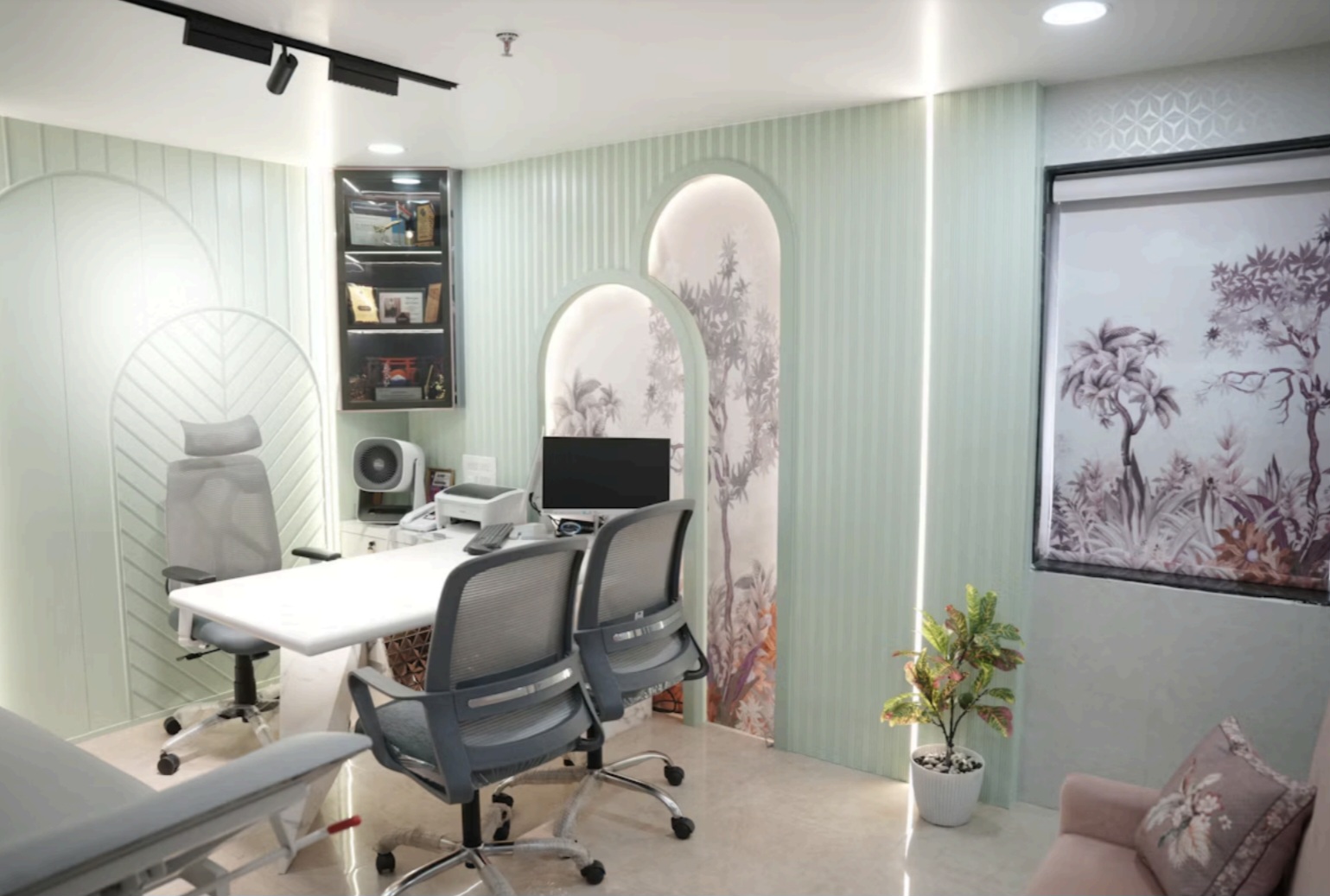
Patient anxiety can begin well before an exam, often triggered by bright lighting, unclear instructions, long waits or an unexpected bill. These stressors may seem minor to staff members who see the space every day, but patients experience them while feeling vulnerable.
A calmer clinical environment lessens patient anxiety and supports clearer communication and helps patients feel more comfortable asking questions. The most effective improvements address both the physical setting and the administrative experience.
Sensory Calm in Clinical Settings
Start with the details patients notice immediately: lighting, sound, temperature and privacy.
Harsh overhead lights can feel exposing, while loud staff conversations may make a waiting room seem chaotic. Use warm lighting where clinical tasks allow, reduce unnecessary background noise and provide seating with enough personal space.
Guidance on relaxing patient rooms also highlights the value of soothing colors and comfortable surroundings.
A treatment room doesn’t need an expensive redesign. A dimmable light, clear storage and one simple piece of wall art can soften the space. Staff should also explain unfamiliar sounds, such as an alert from nearby equipment, before patients have time to worry about them.
Financial Tension at the Front Desk
Payment conversations can raise stress at the moment when patients are already processing medical information. Protect privacy by keeping voices low and avoiding discussions of balances within earshot of the waiting area. If a longer conversation is needed, offer a more private location or a secure digital option.
Technology can also reduce delays and awkward exchanges. Medical offices evaluating healthcare payment processing can consider systems designed for secure card acceptance, custom invoicing, recurring billing and mobile payments in healthcare settings. A clear process allows front desk staff to explain the amount due, confirm the patient’s preferred payment method and provide a receipt without creating a bottleneck. Staff training matters too, since even a capable system feels stressful when policies are explained inconsistently.
Smarter Options for Patient Balances
A large balance can make patients feel trapped if the only instruction they hear is “payment is due today.” Give them a short, plain-language explanation of available payment methods and any installment arrangements your organization permits. Keep the choices consistent so patients receive the same information from every staff member.
For example, a patient facing a $600 balance may feel more able to respond when the office clearly explains a six-month recurring payment option, if available. Written terms should state the payment amount, schedule and contact process for updating a card.
Avoid placing sensitive details in ordinary email. Secure portals, protected invoices and appropriate identity checks help preserve confidentiality while giving patients time to review what they owe.
Transparent Care Estimates Upfront
Provide an estimate before a planned appointment whenever reliable information is available.
The document should separate the expected service charge, estimated coverage and possible patient responsibility. Label estimates clearly, since final costs may change if the clinician orders another service or coverage information differs.
Staff can make the estimate more useful by explaining what may affect the final balance. A simple statement such as “This estimate covers the scheduled visit but not separate laboratory work” prevents assumptions.
Give patients a direct contact for billing questions and tell them when payment may be requested. Sending the estimate several days before care also gives them time to verify coverage, correct outdated information or ask about permitted payment arrangements without pressure at check-in.
Building Trust from Arrival to Departure
Consistent communication ties the entire experience together. Greet patients promptly, explain delays and tell them what will happen next. Advice for reducing patient anxiety emphasizes calm communication and attention to individual concerns. Staff can apply that guidance with brief, specific updates such as, “The clinician is running about 15 minutes behind, and I’ll update you again at 10:30.”
Before patients leave, confirm follow-up instructions, expected test communication and any known balance. Ask them how they prefer to receive administrative messages, then record that preference accurately. A quiet room may create a positive first impression, but trust lasts when every handoff feels predictable, private and respectful.
Review the patient experience from the entrance through checkout as if you’ve never visited the office before. The confusing sign, overheard billing discussion or unexplained delay you notice may be the hidden source of anxiety patients haven’t felt comfortable mentioning.