

What is the Gut-Brain connection
Ever notice how that uneasy feeling starts in the gut. Hence the metaphor, “gut feeling.”
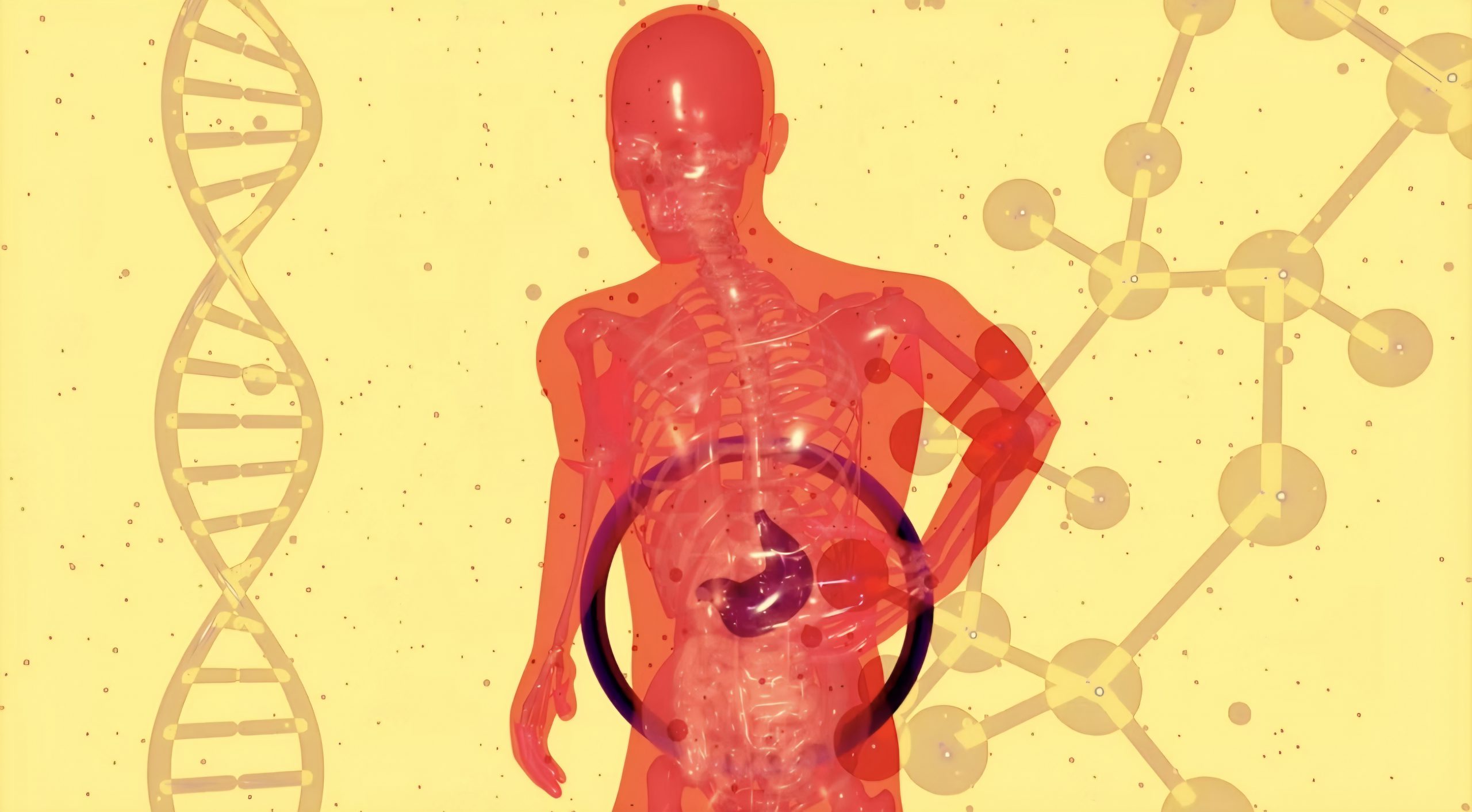
It’s taken science decades to catch on to the literal connection that the digestive system and the brain are having a two-way conversation. And that relationship, until recently, has never been taken seriously. They were treated as separate entities, never meant to cross paths.
Now that we know what we know, that attachment is symbiotic in so many ways. When one hurts, the other feels it, and vice versa. Below, we look at what the research shows.
The Gut Has Its Own Nervous System
Most people picture the gut as a tube that moves food along. It’s far more sophisticated than that. The gut contains more nerve cells than any other part of the body outside the brain. These cells form the enteric nervous system, a complex network that can process information and trigger responses independently of the brain.
It’s one reason researchers sometimes refer to the gut as the body’s “second brain.”
The Vagus Nerve Does the Talking
The main line connecting these two systems is the vagus nerve, a long cranial nerve that carries signals in both directions between the gut and the brain.
This constant back-and-forth influences everything from hunger and digestion to mood, stress levels, and cognitive function.
When gut health changes, the brain feels it, and vice versa.
Microbiome Is Part of the Conversation
The trillions of bacteria living in your gut aren’t bystanders, and in fact, the gut microbiome is a modulator of brain function.
It communicates through the vagus nerve, immune signaling, and metabolites like short-chain fatty acids. These microbial byproducts can influence neurotransmitter activity, which helps explain why gut imbalances show up as mood or cognitive changes. This link between microbes and mood has become one of the more active areas of mental health research.
Trauma
Chronic stress and trauma can influence gut function as much as gut health can influence mood. Some licensed trauma treatment programs incorporate specific diets for people processing trauma.
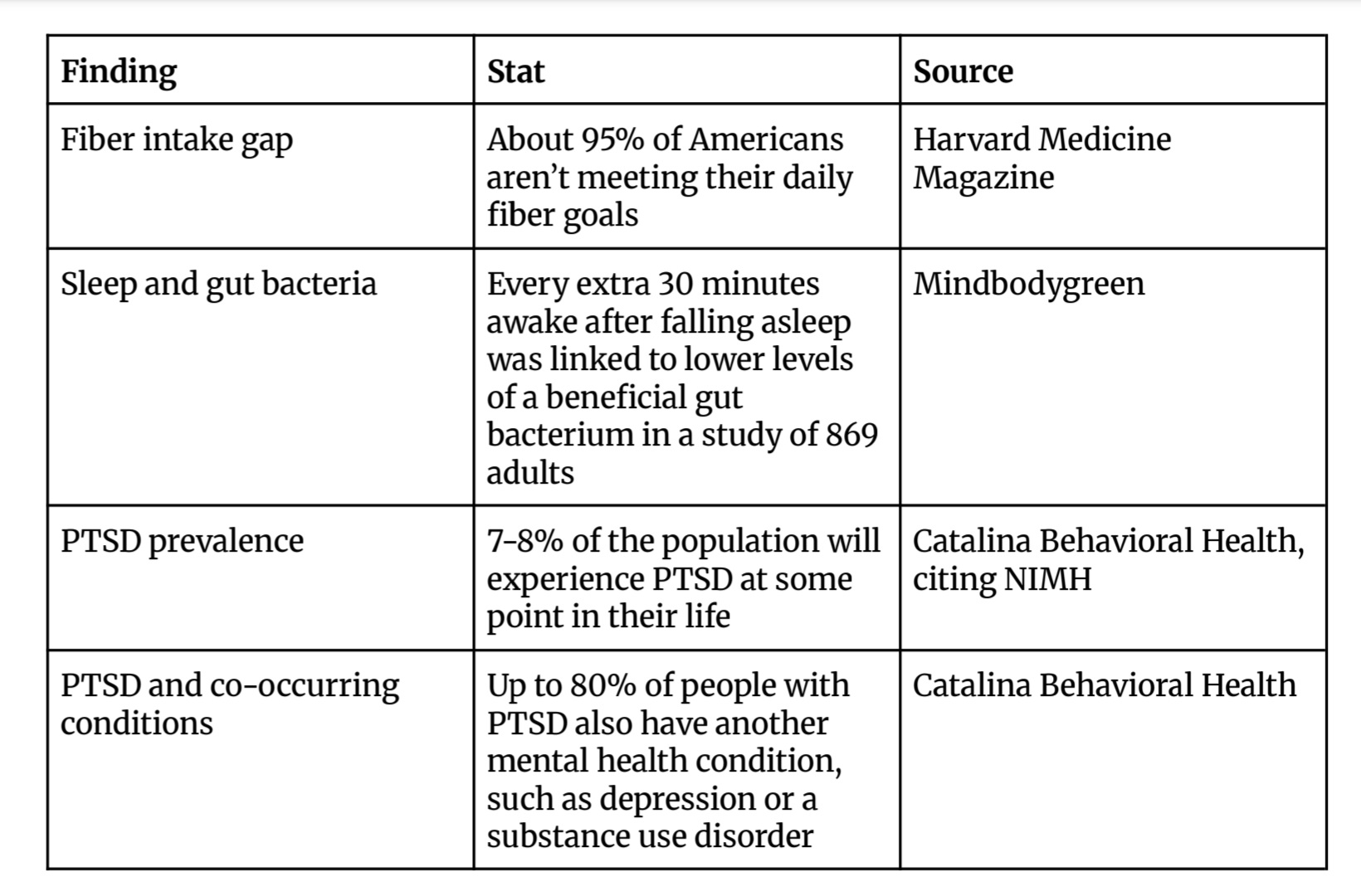
PTSD is closely tied to changes in brain chemistry triggered by stress hormones like cortisol. These changes ripple outward to digestion and the gut. Catalina Behavioral Health advises patients to seek evidence-based trauma treatment programs that take a holistic approach.
Sleep
The gut-brain axis doesn’t stop at mood and stress. A Mindbodygreen article on a 2026 study of nearly 900 adults found that people with more disrupted sleep had lower levels of a bacterium called Eubacterium sp. CAG:251. It suggests that sleep quality and gut composition move together in ways researchers are still figuring out.
What You Eat
Diet plays a role too. Vox reports that nutrients like magnesium and choline may ease anxiety symptoms. The guidance adds to a growing body of evidence that what lands on your plate can shape how your brain handles stress.
Could Gut Health Build Intelligence?
It’s a stretch, yet research says it could be possible. Harvard Medicine Magazine featured neurogastroenterologist Trisha Pasricha, who argues the gut deserves to be treated less like plumbing and more like a second brain. Pasricha might be onto something, given emerging links between gut health and conditions like Parkinson’s disease. “What we’re learning about Parkinson’s disease is shedding light on other diseases. Perhaps put more simply, the gut is telling us something about the human body that we never realized before.” – Dr Trisha Pasricha.
Late last year, ZOE reported on a small study finding. Young adults with gut microbiomes dominated by certain bacterial families, including Ruminococcaceae and Coriobacteriaceae, scored better on fluid intelligence. The results were likely tied to how those microbes affect neurotransmitters like serotonin and GABA.
FAQs
Is the ‘gut-brain connection’ a real medical concept?
Yes. Healthcare providers refer to it as the gut-brain axis, a two-way network of nerves, hormones, and immune signals linking your digestive system and central nervous system.
Can improving gut health help with anxiety or depression?
There’s a real, evolving link between gut bacteria and mood, largely through inflammation, neurotransmitter production, and vagus nerve signaling. That said, gut health is one piece of a larger picture. It’s not a standalone treatment for a mental health condition, and it works best alongside professional care.
Does poor sleep affect gut bacteria?
Emerging research suggests so. Sleep quality appears to be linked to specific bacterial populations in the gut, though scientists still don’t know which direction the
relationship runs.
Can trauma or chronic stress affect digestion?
Yes. Stress hormones released during and after trauma, like cortisol, can alter brain chemistry in ways that ripple out to the gut. It’s part of why conditions such as PTSD are accompanied by digestive problems.
Gut-Brain Connection: Key Facts to Know
An Entanglement
None of this means a probiotic will fix your anxiety or that better sleep will sharpen your memory.
What it means is that gut health and brain health are far more entangled than most people assume. Diet, sleep, and stress management aren’t separate self care. They’re all part of the same feedback loop. And scientists are working to map it fully. Next time you feel “butterflies” before a big moment, know that your gut isn’t reacting to your brain. In a real, biological sense, it’s part of the conversation.
Also read: